
Biodiversity
Château Quintus is a true haven
of phenomenal biodiversity.
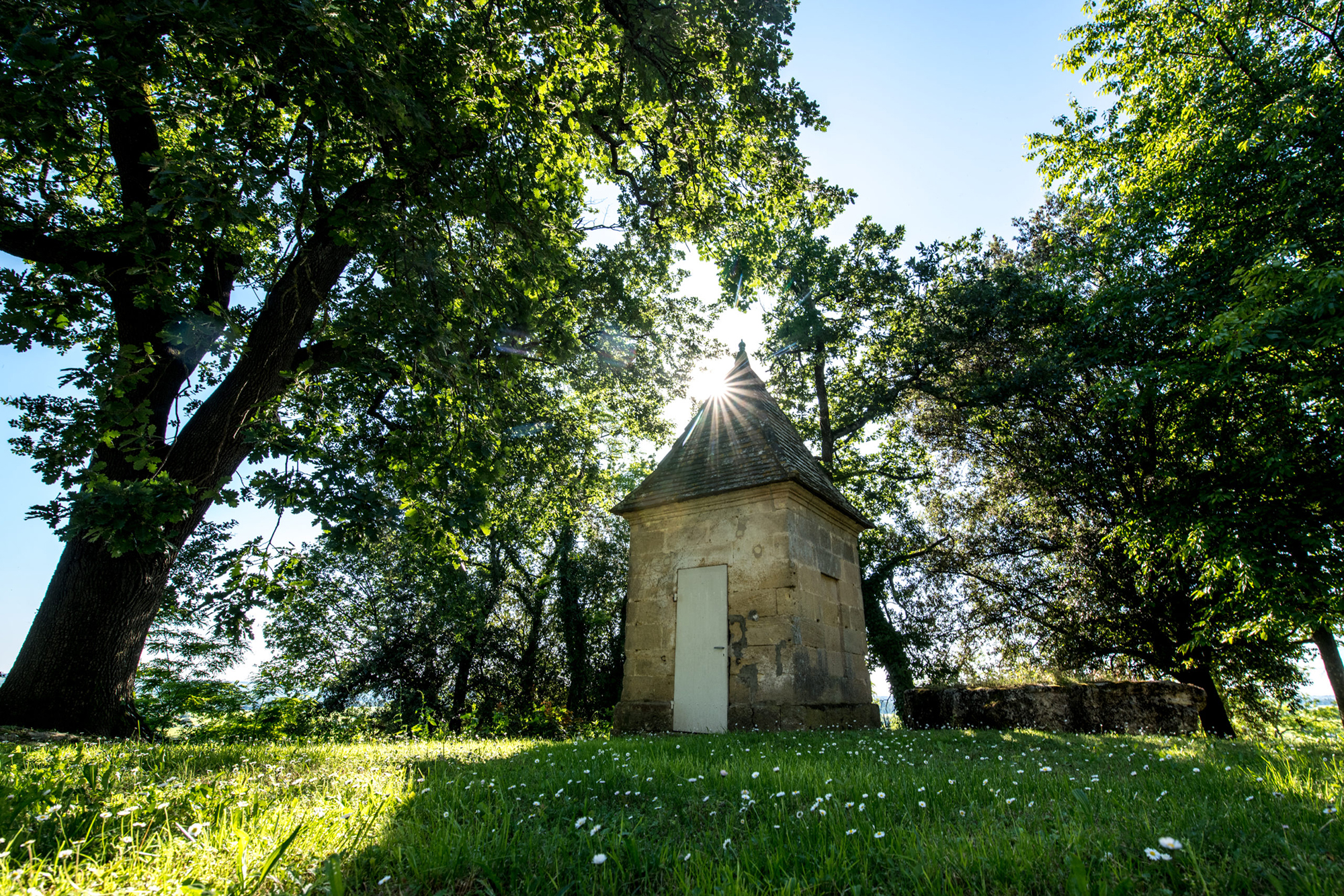

The Mediterranean
Green Belt
The environmental specificity of Château Quintus lies in its Mediterranean Green Belt, a true haven of biodiversity. The sublime natural gardens and terraces of Quintus, covering two hectares, are delightful at first glance, with numerous hedgerows, majestic holm oaks, low stone walls and verdant escarpments. All these treasures of the landscape heritage that surround the plots of vines are important shelters for natural allies, vital for the vineyard to prosper.


Fauna and flora
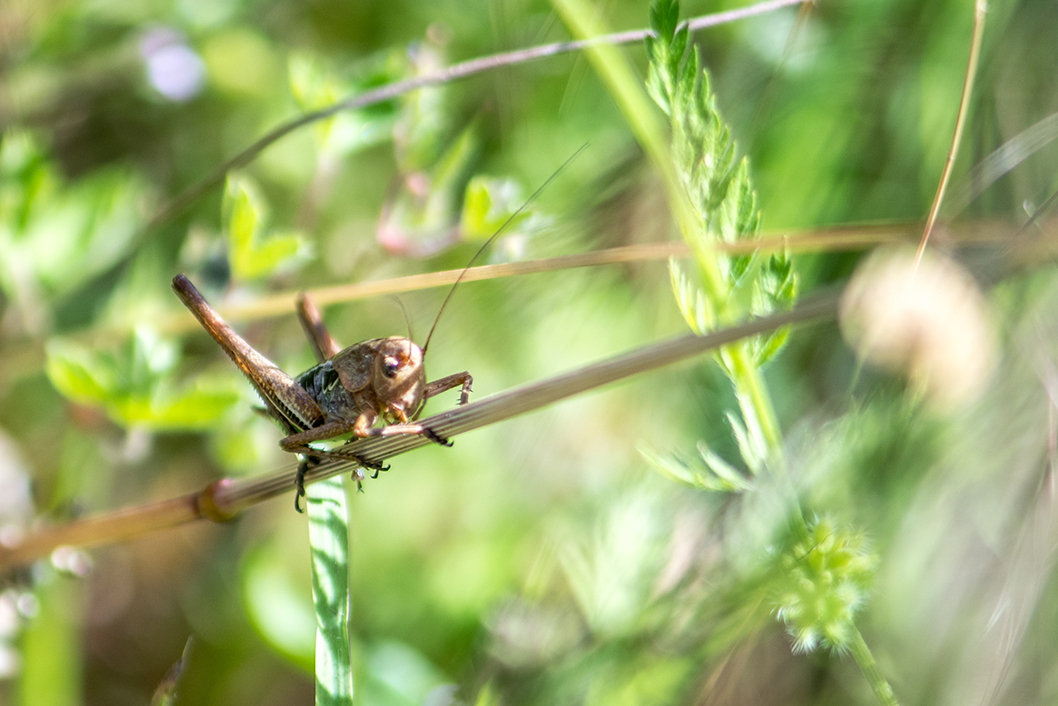
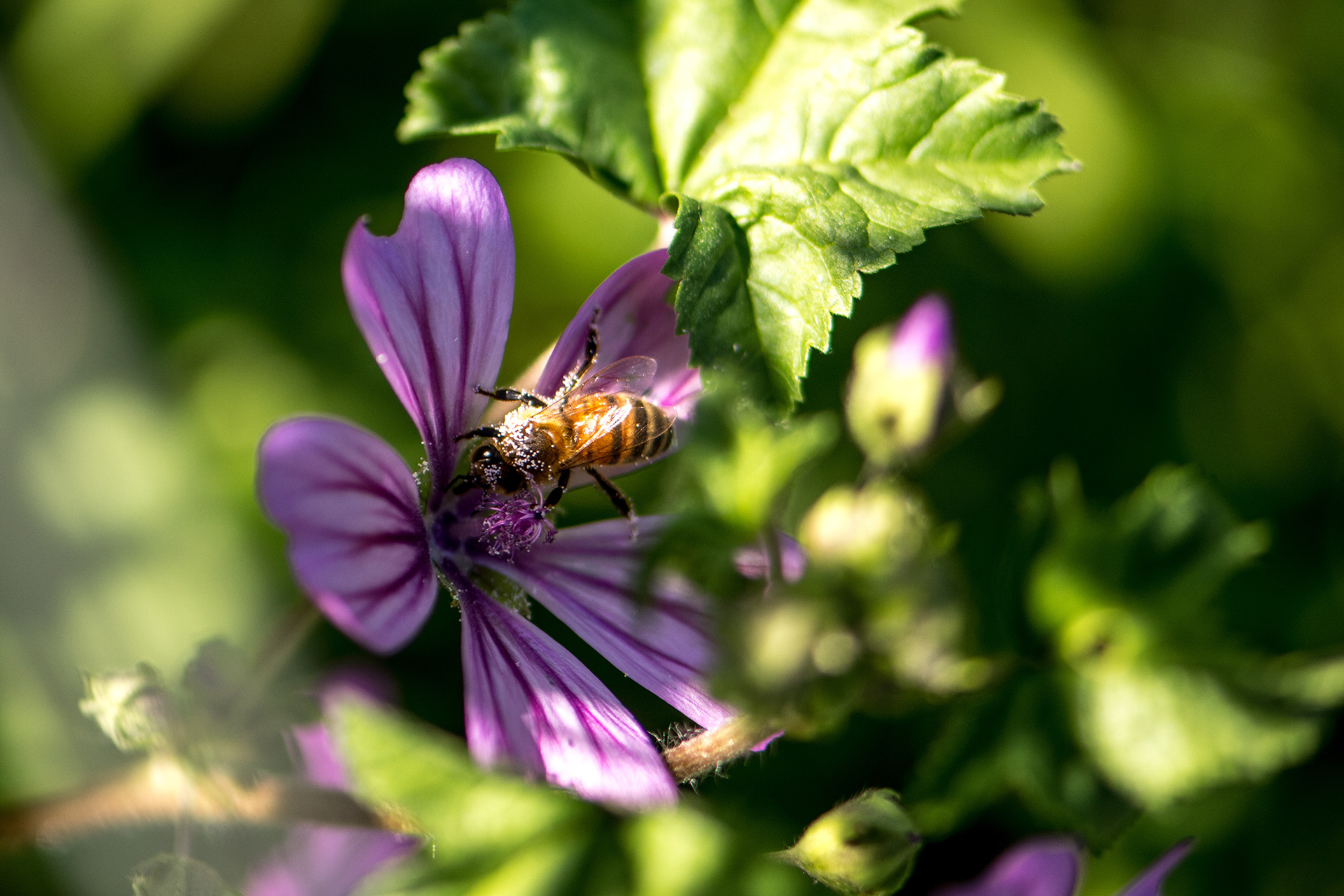
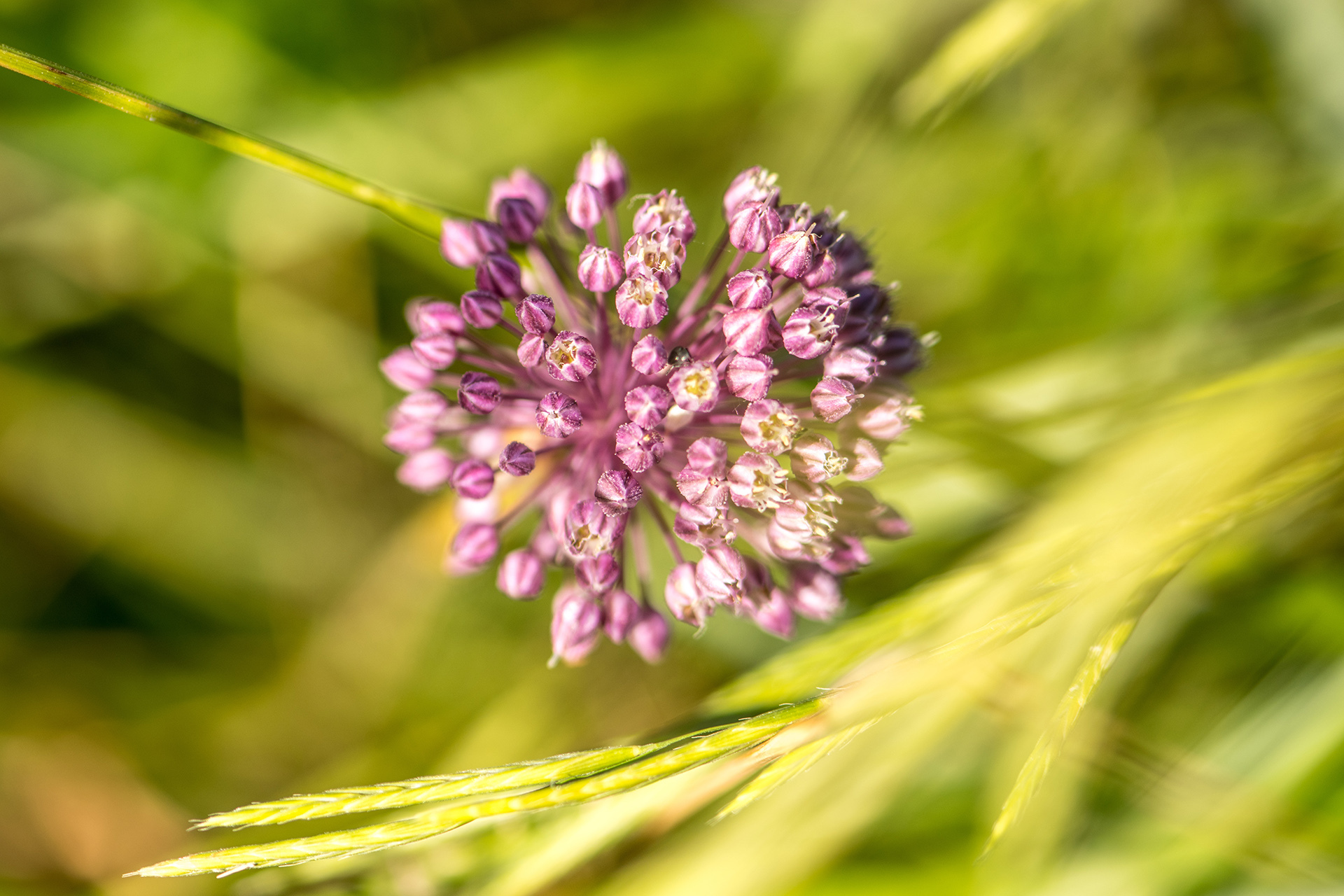
A recent inventory of the profusion of auxiliary fauna and flora at the property reveals a rare abundance of species thriving in the vineyard, but also in the hedgerows and woods in the surrounding area. These natural allies are vital for the vineyard to prosper.
800 types of auxiliary fauna gathered, divided into 200 different species, and 80 varieties of wild flowers were counted at the estate.

Preservation
The teams’ aim is to bring out the very best in Quintus’s terroir by working with and respecting its ecosystem, without altering it through excessive intervention. Their philosophy is rooted in a reasoned approach, carefully adapted to the terroir.
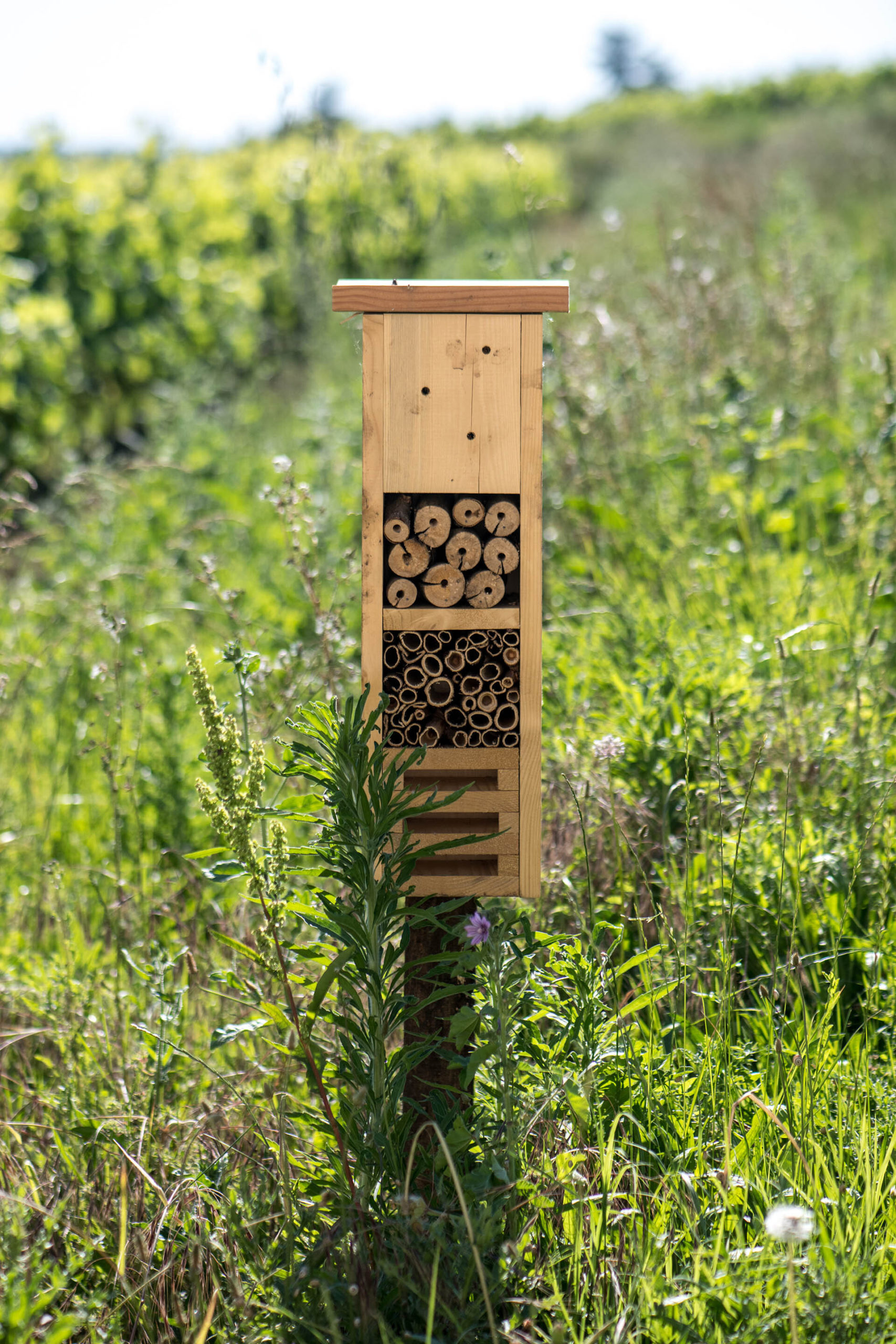
In order to enhance the natural biodiversity of the area, the vineyard workers sow wild flowers on fallow land and plant hedgerows of local varieties, creating ecological corridors in the less wooded areas. Grass cutting, scything and mechanical work on the soils are all kept to a minimum. More than fifteen nesting boxes and bug hotels have also been installed at the property to provide shelters and overwintering habitats.
The continuous work of all the Quintus teams committed to this environmental approach has been duly recognized with the estate being granted dual certification: High Environmental Value (HEV) since 2018 and ISO 14001 since 2019, within the collective framework of the first association for the EMS (Environmental Management System) of Bordeaux wines.